Comprehensive Guide to Car Repair: Tips, Techniques, and Maintenance Insights

Car ownership comes with freedom, convenience, and responsibility. One of the most critical responsibilities of a vehicle owner is ensuring the car remains in optimal working condition through proper maintenance and timely repairs. Understanding car repair is essential not only for prolonging your vehicle’s lifespan but also for safety, cost efficiency, and performance. In this guide, we’ll explore everything from common car repair issues to professional tips for maintenance and troubleshooting.
Understanding Car Repair and Its Importance
Car repair refers to the process of diagnosing, maintaining, and fixing mechanical, electrical, and cosmetic issues in vehicles. Whether it involves simple tasks like changing oil or complex procedures like engine overhauls, effective car repair ensures:
- Safety: Prevents accidents caused by faulty brakes, tires, or steering systems.
- Longevity: Extends the life of the car by addressing wear and tear early.
- Performance: Maintains fuel efficiency, engine power, and smooth operation.
- Cost Efficiency: Reduces long-term repair costs by addressing minor issues before they escalate.
Neglecting car repair can result in more severe mechanical failures, safety hazards, and higher expenses in the long run.
Common Car Repair Issues
Cars, like any machine, face a variety of problems over time. Understanding the most common issues helps in early detection and maintenance:
Engine Problems
Engine issues are among the most serious and costly repairs. Common problems include:
- Overheating: Often caused by coolant leaks, malfunctioning thermostats, or radiator blockages.
- Knocking or Pinging Sounds: Usually indicates poor fuel quality or ignition timing issues.
- Engine Stalling or Misfiring: Can result from spark plug failures, fuel injector issues, or clogged air filters.
Regular engine maintenance, including oil changes, coolant checks, and spark plug inspections, can prevent many of these problems.
Brake System Malfunctions
A car’s braking system is critical for safety. Signs of brake problems include:
- Squeaking or grinding noises when braking.
- Reduced braking efficiency or increased stopping distance.
- Brake warning lights on the dashboard.
Brake repairs often involve replacing worn brake pads, rotors, or brake fluid. Ensuring timely attention to brake issues can prevent accidents and costly repairs.
Transmission Issues
Transmission problems can severely affect a car’s performance. Common transmission concerns include:
- Difficulty shifting gears or slipping gears.
- Unusual noises during gear changes.
- Transmission fluid leaks or overheating.
Transmission repairs are complex and often require professional attention. Routine transmission fluid checks and timely servicing are essential to avoid extensive damage.
Electrical System Failures
Modern cars are equipped with advanced electrical systems controlling lights, sensors, infotainment, and engine management. Electrical problems can include:
- Dead batteries or alternator failures.
- Malfunctioning lights, sensors, or dashboard indicators.
- Starter motor issues.
Routine checks of battery health, wiring connections, and fuses can prevent unexpected breakdowns.
Suspension and Steering Issues
Suspension and steering components ensure a smooth and controlled driving experience. Problems in this system can include:
- Uneven tire wear.
- Excessive bouncing or vibration while driving.
- Difficulty steering or pulling to one side.
Repairing suspension components like shock absorbers, struts, or tie rods is essential for handling and safety.
Tire and Wheel Maintenance
Tires are the only contact between the car and the road. Maintaining proper tire health is critical for safety and performance. Key points include:
- Monitoring tire pressure regularly.
- Checking for tread wear and alignment issues.
- Rotating tires periodically to ensure even wear.
Replacing worn-out tires on time can prevent accidents and improve fuel efficiency.
DIY vs. Professional Car Repair
Deciding whether to repair a car yourself or hire a professional depends on the complexity of the issue.
DIY Car Repairs
Simple tasks can be performed by car owners with basic knowledge and tools:
- Changing engine oil and oil filters.
- Replacing air filters and cabin filters.
- Swapping out wiper blades or light bulbs.
- Checking and topping off fluids like coolant, brake, and windshield washer fluid.
DIY repairs save money and increase familiarity with your vehicle. However, improper handling of repairs can worsen issues or void warranties.
Professional Car Repairs
Complex or critical issues require professional expertise:
- Engine overhauls and cylinder head repairs.
- Transmission replacements or major brake system work.
- Electrical diagnostics and computer system repairs.
- Suspension and steering component replacements.
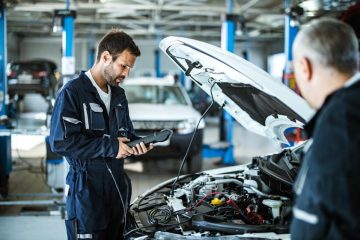
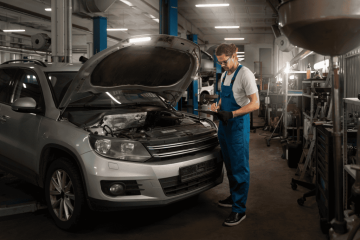
Professional repair services ensure the right tools, diagnostic equipment, and expertise are applied, often backed by warranties for parts and labor.
Preventive Maintenance: The Key to Minimizing Repairs
The best strategy in car repair is prevention. A well-maintained car reduces unexpected breakdowns and costly repairs. Key preventive maintenance practices include:
Regular Oil Changes
Oil lubricates the engine and prevents friction. Change oil according to the manufacturer’s recommendations, usually every 3,000 to 7,500 miles.
Routine Fluid Checks
Check and maintain:
- Coolant levels to prevent engine overheating.
- Brake fluid for effective braking.
- Transmission fluid for smooth gear changes.
- Power steering fluid to maintain handling.
Tire Care
- Rotate tires every 5,000–7,000 miles.
- Maintain proper tire pressure.
- Inspect tread depth to ensure grip and safety.
Brake Inspections
Regularly check brake pads, discs, and fluid levels to avoid sudden brake failures.
Battery Maintenance
- Inspect for corrosion on terminals.
- Test battery voltage periodically.
- Replace batteries nearing the end of their lifespan (typically 3–5 years).
Seasonal Checks
- Test heaters and air conditioning systems before extreme weather seasons.
- Inspect windshield wipers and replace as needed.
- Check antifreeze and defrost systems during winter.
Choosing the Right Car Repair Shop
Selecting a reliable repair shop is crucial for quality service. Consider the following:
- Certifications and Experience: Look for ASE-certified mechanics or reputable dealerships.
- Transparent Pricing: Request detailed estimates and avoid hidden fees.
- Reviews and Reputation: Check customer reviews for service quality and reliability.
- Warranty on Repairs: Choose shops offering warranties on labor and parts.
Building a long-term relationship with a trusted repair shop ensures consistent care and personalized advice.
Tips for Extending Vehicle Lifespan
Beyond repairs and maintenance, certain practices help prolong a car’s life:
- Avoid aggressive driving that strains engine and brakes.
- Warm up the engine in cold weather before heavy use.
- Keep the car clean to prevent rust and preserve paintwork.
- Store the vehicle in a garage or shaded area to reduce wear from the elements.
Innovations in Car Repair
Modern vehicles are increasingly computerized, requiring new approaches to repair:
- OBD-II Diagnostics: Onboard diagnostic tools allow mechanics to identify errors and system failures efficiently.
- Hybrid and Electric Vehicle Repairs: Specialized knowledge is needed for battery systems, electric motors, and regenerative braking.
- Advanced Safety Systems: Sensors, cameras, and collision-avoidance systems require calibrated repairs to maintain functionality.
Staying informed about technological advances ensures proper maintenance of contemporary vehicles.
Conclusion
Car repair is not just about fixing broken parts; it is about maintaining a safe, efficient, and reliable vehicle. By understanding common issues, performing preventive maintenance, choosing the right repair services, and embracing technological advances, vehicle owners can extend the life of their cars while minimizing costs. A proactive approach to car care ultimately ensures peace of mind, safety, and the full enjoyment of the driving experience.
FAQs About Car Repair
1. How often should I get my car serviced?
Most manufacturers recommend servicing every 6 months or 5,000–7,500 miles, whichever comes first. Regular servicing includes oil changes, fluid checks, tire inspections, and brake evaluations.
2. Can I perform brake repairs myself?
Basic brake maintenance like checking fluid levels is feasible, but replacing brake pads, rotors, or dealing with brake lines should be left to professionals due to safety risks.
3. How do I know if my engine needs repair?
Warning signs include unusual noises, reduced power, stalling, increased fuel consumption, or dashboard warning lights. Regular inspections and diagnostics can detect problems early.
4. Are synthetic oils better for my car?
Synthetic oils offer superior protection against engine wear, high temperatures, and deposits, often extending the interval between oil changes. However, check your manufacturer’s recommendations.
5. What is the most common car repair mistake?
Delaying minor issues, like ignoring strange noises or dashboard alerts, often leads to larger, costlier repairs. Prompt attention prevents escalation.
6. How can I find a trustworthy car repair shop?
Look for certified mechanics, transparent pricing, positive reviews, and warranty-backed repairs. Word-of-mouth recommendations and consistent service history also help.
7. Is it worth repairing an old car?
If the repair costs exceed the car’s value or frequent breakdowns occur, replacement may be more economical. However, regular maintenance can keep older cars functional for years.
This comprehensive guide covers the essential aspects of car repair, from diagnostics and preventive maintenance to professional service and modern technology considerations. Following these insights ensures your vehicle remains safe, reliable, and efficient on the road.