How Does Auto Maintenance Help Reduce the Risk of Unexpected Breakdown Costs?
Unexpected vehicle breakdowns often create more than inconvenience. They can disrupt work schedules, delay family responsibilities, lead to towing expenses, and turn a manageable issue into a larger repair bill. Many of these problems do not begin with a dramatic failure. They begin with small warning signs, gradual wear, or overdue maintenance that quietly affect the vehicle’s performance over time. Auto maintenance matters because it helps drivers catch changes early and respond before costs rise. When routine service becomes part of normal vehicle care, the risk of sudden breakdown expenses usually becomes lower, and daily driving feels more dependable.
Why Prevention Matters
- How Small Maintenance Gaps Often Lead to Larger Repair Bills
Unexpected breakdown costs usually come from problems that have had time to grow. A worn belt may not seem urgent at first, low fluid may not create obvious symptoms right away, and weak battery performance may appear only occasionally before failing at the wrong moment. These issues may seem minor until they affect another part of the vehicle and require a repair that is more expensive than early service would have been. That is why auto maintenance matters so much. A driver searching for Auto Repair near me is often reacting to a situation that may have been developing for weeks or months without clear attention. Preventive care helps reduce that risk by identifying wear before it spreads into connected systems. A neglected cooling concern can affect engine temperature, a tire issue can influence alignment and suspension stress, and a small brake problem can worsen into a larger safety and repair issue. Maintenance helps interrupt that chain early, before the cost of waiting becomes far greater than the cost of regular care.
- How Regular Inspections Help Drivers Catch Trouble Before It Escalates
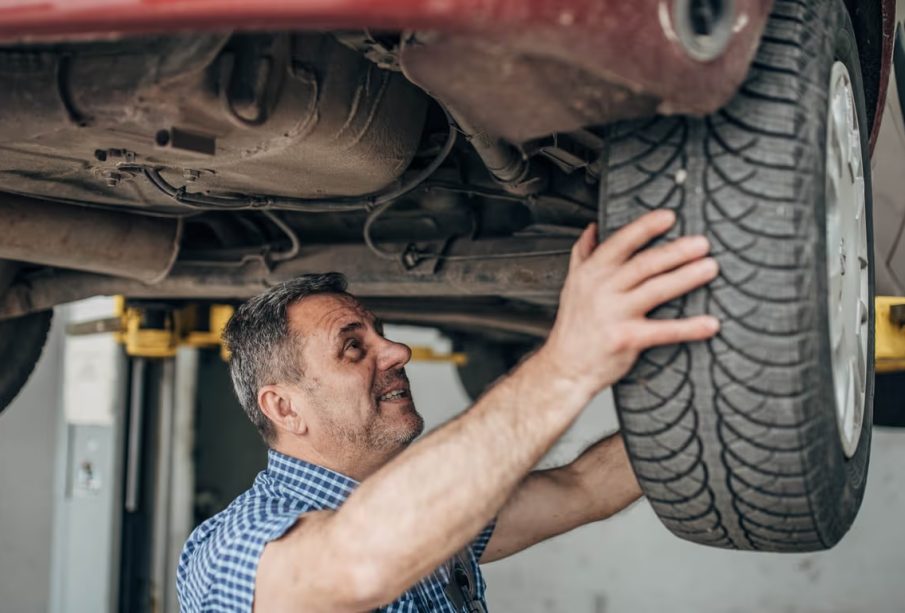
Routine maintenance creates repeated chances to spot changes while they are still manageable. A vehicle does not need to stop running completely for damage to be forming beneath the surface. Tires may begin wearing unevenly, fluid condition may begin declining, battery strength may weaken, and hoses or belts may show early signs of age long before a major roadside problem appears. Regular inspections help drivers catch these details while the situation is still limited in scope. That matters because the difference between a smaller service visit and a major breakdown often comes down to timing. When a mechanic can see that a component is weakening before it fails, the repair decision becomes calmer, more affordable, and easier to plan around. Instead of dealing with towing, missed work, emergency scheduling, and added stress, the driver can respond while the vehicle is still functioning well enough to avoid a much larger interruption. Maintenance helps turn hidden wear into visible information, and that visibility can make a major difference in controlling breakdown-related costs.
- Why Maintenance Protects Connected Vehicle Systems
Modern vehicles are built from systems that depend on one another. When one part begins losing condition, the strain often does not stay isolated for long. A cooling problem may affect engine performance, poor alignment may shorten tire life and place extra pressure on steering parts, and neglected fluid service can allow unnecessary friction or heat to affect important internal components. Auto maintenance helps reduce unexpected breakdown costs by treating the vehicle as an interconnected machine rather than addressing each issue separately until failure occurs. This matters for drivers who assume a minor symptom can be safely ignored because the car still seems usable. In reality, one compromised area may already be pushing another part of the vehicle harder than normal. Maintenance helps reduce that hidden stress by correcting smaller issues before they spread. That early attention supports reliability in a very practical way. It can keep the driver from paying not only for the original problem but also for the additional damage caused when the vehicle continued operating under conditions that were already going wrong.
- How Routine Service Helps Drivers Avoid Emergency Decisions
Breakdowns become expensive partly because they force decisions under pressure. A person stranded on the side of the road or stuck in a parking lot with a vehicle that will not start often has fewer options, less time to think, and more urgency to solve the problem immediately. That urgency can lead to towing charges, rushed scheduling, missed obligations, and repair choices made simply to get back on the road as fast as possible. Auto maintenance helps reduce that pressure by shifting vehicle care away from emergency response and toward planned action. When drivers stay current with routine service, they are less likely to face a sudden failure that turns a repair into a crisis. This can make a meaningful financial difference because planned maintenance is easier to schedule, budget for, and manage without secondary costs piling up around it. The value is not only in the maintenance itself. It is also to avoid the costly situations that arise when a car fails unexpectedly, and every choice must be made quickly under stress.
- How Better Maintenance Supports Long-Term Cost Control
Vehicle ownership becomes easier to manage when costs are more predictable. Routine maintenance supports that predictability by replacing sudden large expenses with smaller, more manageable service decisions made over time. A driver may not enjoy paying for oil changes, tire rotations, inspections, or fluid service, yet those appointments often cost far less than the repairs that can follow when basic upkeep is delayed too long. Maintenance helps drivers understand what the vehicle needs now, what may need attention soon, and what can be monitored before it becomes urgent. That creates a more practical relationship with repair costs because the vehicle is no longer surprising the owner as often. Instead of reacting to one costly breakdown after another, the driver gains more control over how service fits into the budget. This matters especially for people who depend on their vehicles daily and cannot easily absorb the combined cost of repairs, transportation alternatives, and lost time. Long-term cost control is one of the strongest reasons maintenance matters. It helps make vehicle ownership feel steadier and less vulnerable to expensive disruption.
Why Steady Maintenance Often Costs Less Than Waiting
Auto maintenance helps reduce the risk of unexpected breakdown costs by turning hidden wear into earlier, more manageable issues. Small problems rarely stay small when left alone, and the cost of a sudden failure often includes more than the repair itself. Towing, lost time, stress, and damage to connected parts can all raise the true cost of waiting. Routine maintenance helps drivers avoid that pattern by supporting inspections, catching developing issues, and keeping the vehicle in a more stable condition over time. In the long run, consistent care usually protects both the car and the budget more effectively than delaying.