

The Biggest Advantages of Buying a Used Car Instead of New
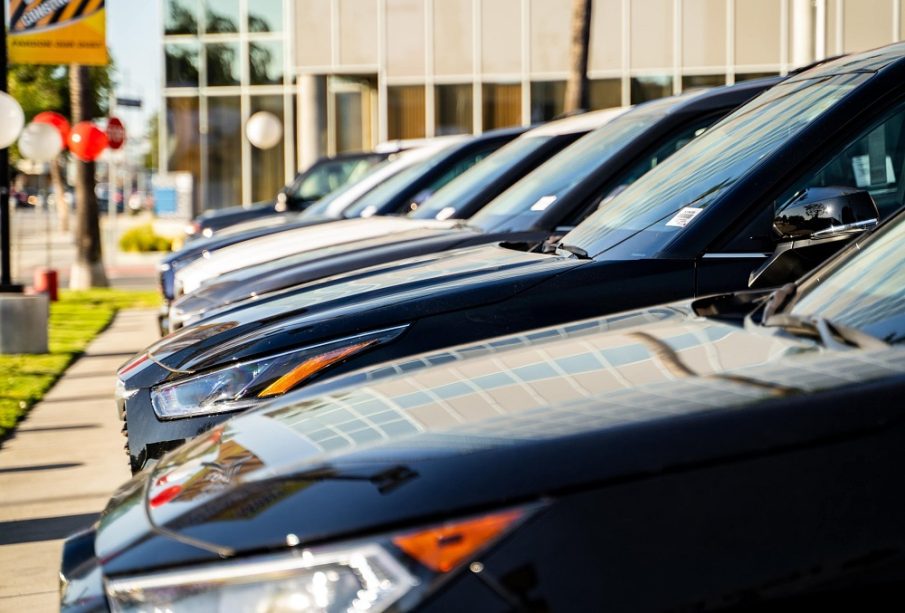
Purchasing a vehicle is one of the most significant financial commitments a consumer makes. For many buyers, the allure of a brand-new car sitting on a showroom floor is strong. The pristine interior, untouched odometer, and latest technological features create a powerful emotional appeal. However, when viewed through a lens of long-term financial health and practical economics, purchasing a new car is rarely the most advantageous decision.
In recent years, vehicle build quality and manufacturing standards have advanced dramatically. Modern automobiles are engineered to run reliably for well over one hundred thousand miles with standard routine maintenance. Consequently, the pre-owned vehicle market has become the premier destination for budget-conscious buyers seeking quality, reliability, and value. Choosing a used car over a new model offers numerous financial and practical benefits that far outweigh the initial novelty of owning a vehicle fresh off the factory line.
Avoiding the Steep Initial Depreciation Curve
The single greatest financial drawback of buying a brand-new car is depreciation. Depreciation represents the rapid loss of a vehicle market value over time. The moment a buyer drives a new car off the dealership lot, the vehicle loses a substantial portion of its original value.
-
The First-Year Drop: A brand-new vehicle typically loses twenty to thirty percent of its value within the first twelve months of ownership.
-
The Three-Year Milestone: By the end of the third year, many new cars have depreciated by forty to fifty percent from their original sticker price.
-
The Pre-Owned Advantage: When you purchase a three-year-old pre-owned vehicle, the previous owner absorbs that heavy initial financial loss. You acquire a modern, reliable automobile at a fraction of its original price, and its rate of depreciation slows down significantly during your ownership.
By stepping into a car after its initial depreciation drop, your money retains its value far more effectively. If you decide to sell or trade in the car several years later, you will experience a much smaller gap between your purchase price and your resale value.
Lower Total Purchase Price and Reduced Loan Balances
Buying a used vehicle allows you to stretch your purchasing power. Because the overall purchase price of a used car is significantly lower than that of a new model, buyers can secure a higher quality vehicle for the same budget.
A budget that limits you to a basic, entry-level new car with minimal features might easily purchase a three-year-old luxury sedan or a fully equipped midsize SUV in the pre-owned market. This allows buyers to enjoy premium upholstery, advanced driver assistance systems, upgraded audio engineering, and superior engine performance without exceeding their financial boundaries.
Furthermore, a lower purchase price translates directly to smaller auto loan amounts. Borrowing less principal reduces your monthly financial obligations and decreases the total amount of interest paid over the life of the loan. For buyers paying cash, the savings can remain in interest-bearing investment accounts or emergency funds rather than being locked up in a rapidly depreciating asset.
Significantly Reduced Auto Insurance Premiums
Auto insurance costs represent a major recurring expense in vehicle ownership, and insurance rates are tied directly to the replacement value of the automobile. Because a brand-new vehicle costs significantly more for an insurance company to repair or replace in the event of an accident, insuring a new car is expensive.
Pre-owned vehicles carry a lower market valuation, which results in substantially lower annual insurance premiums. Over a five-year ownership period, the savings on auto insurance alone can add up to thousands of dollars. Additionally, for older used cars that have been paid off in full, owners have the flexibility to drop optional coverage types, such as collision or comprehensive insurance, if the vehicle market value no longer justifies the premium cost.
Lower Registration Fees and Sales Taxes
Beyond the purchase price and insurance, secondary administrative costs are noticeably lower when purchasing a pre-owned vehicle.
-
Sales Tax Reductions: State and local sales taxes are calculated as a percentage of the total vehicle purchase price. Because a used car costs thousands of dollars less than a new equivalent, the upfront sales tax bill is reduced proportionally.
-
Annual Registration Fees: In many states, annual vehicle registration fees and personal property taxes are determined by the age and assessed value of the vehicle. Registration fees for brand-new luxury cars can cost hundreds or even thousands of dollars per year, whereas registration fees for a used model drop steadily as the car ages.
Minimizing these mandatory government fees keeps more money in your pocket every single year.
Bypassing Exorbitant Dealer Fees and Hidden Add-Ons
When purchasing a new car at a franchise dealership, the sticker price is rarely the final price. New car sales contracts often include a long list of mandatory administrative fees, including destination and freight charges, dealer preparation fees, advertising costs, and non-negotiable dealer add-ons like fabric protection or window etching. These extra items can quietly inflate the final invoice by thousands of dollars.
Used car sales generally involve far fewer hidden fees. Freight and destination charges apply only when a vehicle is shipped from the manufacturing factory to a new car dealer lot. When buying a used car, those factory shipping fees are completely non-existent, creating a far more transparent transaction.
Comprehensive Vehicle History Reports and Modern Reliability
A historical objection to buying used vehicles was the uncertainty surrounding how the previous owner treated the car. Decades ago, buyers risked purchasing a lemon with hidden mechanical issues or undisclosed accident damage.
Today, data transparency has transformed the pre-owned market. Vehicle history reporting services provide detailed documentation for almost any used car on the market. With a simple vehicle identification number check, prospective buyers can review:
-
Ownership History: The total number of previous owners and whether the car was used as a personal vehicle, lease, rental, or fleet car.
-
Maintenance Records: Documented oil changes, tire rotations, brake services, and dealership maintenance visits.
-
Accident and Title Data: Detailed records of reported collisions, structural damage, airbag deployments, and title statuses such as salvage or flood damage.
Furthermore, many dealerships offer Certified Pre-Owned programs. Certified Pre-Owned vehicles undergo exhaustive mechanical inspections by factory-trained technicians and come backed by extended manufacturer warranties, offering the peace of mind of a new car alongside the price advantage of a used model.
Upgraded Features and Pre-Installed Accessories
When an original owner purchases a brand-new car, they often pay high retail prices for factory options and aftermarket accessories. These items might include premium paint options, all-weather floor liners, upgraded wheel packages, tow hitches, roof racks, window tinting, or protective paint films.
When the vehicle enters the pre-owned market, these add-ons retain only a tiny fraction of their original cost. As a used car buyer, you enjoy the practical benefits of these expensive upgrades without having to pay for them out of pocket, gaining bonus value that the original owner funded.
Environmental Benefits of Extending a Vehicle Lifecycle
For environmentally conscious consumers, purchasing a used car is an effective form of recycling. A significant portion of a vehicle total lifetime carbon footprint is generated during the initial manufacturing phase. Extracting raw metals, refining materials, manufacturing batteries, and assembling an automobile consumes massive amounts of energy and natural resources.
By purchasing a pre-owned vehicle, you extend the operational lifespan of an existing machine. Reusing an existing car reduces the aggregate demand for new industrial manufacturing, helping conserve raw materials and lowering industrial carbon emissions.
Opting for a used automobile provides a balanced combination of financial savings, lower recurring ownership costs, reduced risk, and environmental responsibility. By avoiding rapid initial depreciation, you preserve your personal wealth while driving a reliable, well-appointed vehicle.
Frequently Asked Questions
Is a certified pre-owned vehicle worth the extra cost compared to a regular used car?
A certified pre-owned vehicle costs slightly more than a standard used car, but it includes significant added value. Certified pre-owned cars must meet strict age and mileage limits, pass detailed multi-point mechanical inspections, and include manufacturer-backed extended warranty coverage. For buyers who want maximum peace of mind and protection against unexpected repair bills, the extra cost is generally well worth the investment.
How many miles is too many when shopping for a reliable used car?
Focusing entirely on mileage can be misleading, as overall maintenance history is often far more important than the number on the odometer. A well-maintained vehicle with one hundred thousand highway miles can easily be a better purchase than a sixty-thousand-mile car that suffered from neglected oil changes and aggressive city driving. As a general guideline, modern vehicles maintained properly can comfortably reach one hundred fifty thousand to two hundred thousand miles.
Can you still secure favorable auto loan financing rates on a used vehicle?
Yes, competitive financing is widely available for pre-owned cars through credit unions, national banks, and dealership finance departments. While interest rates for used car loans are typically slightly higher than rates for brand-new cars, the significantly lower total loan amount on a used car usually results in a much smaller monthly payment and lower overall interest expense.
What mechanical checks should be performed before finalizing a used car purchase?
Before signing a purchase contract for a used car, schedule an independent pre-purchase inspection with a trusted, certified mechanic. For a modest fee, a mechanic will elevate the vehicle on a lift to inspect the frame, suspension, braking system, exhaust, engine compression, and fluid quality, ensuring there are no hidden mechanical defects or impending component failures.
How does buying a used car affect factory warranty coverage?
Factory warranties attach to the vehicle identification number rather than the original owner. If you purchase a used car that is two or three years old, the remaining balance of the original three-year bumper-to-bumper or five-year powertrain factory warranty automatically transfers to you at no additional charge.
What is the ideal age and mileage sweet spot when buying a pre-owned car?
The most popular sweet spot for used car buyers is a vehicle between two and four years old with thirty thousand to fifty thousand miles on the odometer. At this age, the vehicle has already undergone its steepest depreciation drop, yet it still features modern technology, safety systems, and plenty of remaining mechanical lifespan.
Are luxury used cars a good financial decision compared to standard used cars?
Luxury used cars experience even steeper initial depreciation than standard economy models, making them available at incredible price discounts on the pre-owned market. However, buyers should remember that maintenance, replacement parts, high-grade fuel, and specialized labor for European or high-end luxury brands remain expensive. Set aside a dedicated maintenance fund if you choose a pre-owned luxury vehicle.


