Driving Tips: Mastering the Art of Safe and Efficient Driving

Introduction
Driving is more than just a daily routine—it’s a skill that requires focus, awareness, and practice. Whether you’re a beginner getting behind the wheel for the first time or an experienced driver looking to refine your skills, understanding essential driving tips can significantly enhance safety, efficiency, and confidence on the road. Modern roads present a variety of challenges, including heavy traffic, unpredictable weather, and increasingly distracted drivers. This article explores practical driving tips that help every motorist navigate these challenges while promoting responsible driving habits.
Understanding the Basics of Safe Driving
Know Your Vehicle
Before hitting the road, it’s important to understand your vehicle’s functionality. Familiarize yourself with controls such as lights, indicators, wipers, and braking systems. Knowing how your car responds to acceleration, braking, and steering can prevent accidents caused by sudden maneuvers. For example, understanding the stopping distance of your car under different conditions is crucial. Modern vehicles may also include advanced safety features like lane departure warning, blind-spot monitoring, and adaptive cruise control. Utilizing these systems correctly enhances your driving experience and safety.
Maintain Proper Seating and Posture
Your driving position affects control and reaction time. Adjust your seat so you can comfortably reach the pedals and steering wheel. Your arms should be slightly bent while holding the steering wheel at the 9 and 3 o’clock positions. Keep your back against the seat and headrest properly aligned to reduce fatigue and improve visibility. Mirrors should be adjusted to minimize blind spots while covering the maximum field of view. Proper posture not only improves comfort during long drives but also ensures you have maximum control over the vehicle in emergencies.
Traffic Awareness and Defensive Driving
Observe Traffic Rules and Signals
Following traffic regulations is non-negotiable for safe driving. Always adhere to speed limits, stop at red lights, and obey lane markings. Traffic signs provide valuable information about upcoming hazards, road conditions, and speed changes. Observing traffic laws reduces the risk of accidents and avoids legal complications, such as fines and license suspensions.
Practice Defensive Driving
Defensive driving is about anticipating potential hazards and being prepared to react. Keep a safe following distance to allow sufficient stopping time. Avoid distractions such as using a mobile phone or adjusting the infotainment system while driving. Predict the actions of other drivers by observing their speed, lane changes, and behavior. Defensive driving also involves adjusting your driving to road and weather conditions, such as reducing speed on wet or icy roads. Practicing defensive driving significantly lowers accident risks and enhances overall road safety.
Speed Management and Lane Discipline
Control Your Speed
Speeding is one of the leading causes of traffic accidents. Adhering to speed limits ensures you have sufficient reaction time and control over your vehicle. On highways, maintain a consistent speed using cruise control when conditions allow. In urban areas, be vigilant for pedestrians, cyclists, and sudden stops. Adjusting speed according to road conditions, such as rain or construction zones, is essential to avoid accidents.
Stay in Your Lane
Maintaining lane discipline prevents collisions and traffic congestion. Avoid unnecessary lane changes and always signal before switching lanes. Check mirrors and blind spots before moving. Lane discipline is especially important during heavy traffic and on highways, where sudden lane changes can lead to high-speed collisions.
Managing Visibility and Driving Conditions
Use Headlights Properly
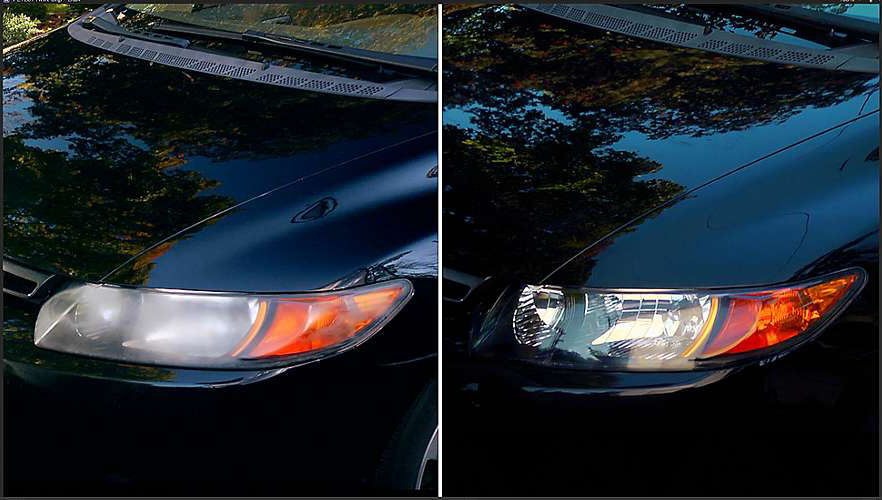
Headlights improve visibility during low light conditions and help other drivers see your vehicle. Use low beams in fog or heavy rain to avoid glare, and high beams on open roads at night when there’s no oncoming traffic. Proper headlight usage ensures safe driving during night hours and adverse weather conditions.
Adapt to Weather Conditions
Weather conditions like rain, snow, or fog can drastically affect vehicle handling. Reduce speed during adverse conditions, increase following distance, and avoid sudden braking. Using windshield wipers, defoggers, and traction control systems can help maintain visibility and stability. Knowing how to drive safely in different weather conditions is crucial for both personal safety and the safety of others on the road.
Tech-Savvy Driving Tips
Use Navigation and Traffic Apps Wisely
Modern drivers have access to GPS and traffic applications that provide real-time information on road conditions and alternative routes. While these tools are helpful, avoid interacting with devices while driving. Set destinations and review route options before starting your journey. Using technology responsibly enhances route planning and reduces stress during commutes.
Leverage Vehicle Safety Features
Many modern vehicles come equipped with safety technologies, including anti-lock braking systems (ABS), electronic stability control (ESC), collision avoidance systems, and parking assistance. Familiarize yourself with these features and understand how to activate them when needed. Using these systems can prevent accidents and improve overall driving safety.
Fuel Efficiency and Eco-Friendly Driving
Maintain Smooth Acceleration and Braking
Gradual acceleration and braking not only improve safety but also enhance fuel efficiency. Sudden starts and stops consume more fuel and increase wear on your brakes. Maintaining a steady pace, especially in urban traffic, can save fuel and reduce emissions.
Plan Your Routes
Efficient route planning reduces unnecessary mileage, fuel consumption, and driving stress. Consider traffic congestion, road conditions, and construction areas when planning your journey. Using real-time traffic updates allows drivers to avoid delays and maintain consistent speed, improving overall fuel economy.
Parking and Maneuvering Skills
Master Parking Techniques
Parking is a skill that requires spatial awareness and precision. Practice parallel parking, angle parking, and reverse parking in low-traffic areas to build confidence. Always check surroundings, including pedestrians and obstacles, before maneuvering. Proper parking skills prevent minor accidents and damage to your vehicle.
Handle Tight Spaces Carefully
Driving in narrow lanes or congested areas requires patience and precision. Use mirrors effectively, signal your intentions, and move slowly to avoid collisions. In tight spaces, consider using parking sensors or cameras if available. Developing these skills improves urban driving efficiency and reduces stress.
Psychological and Health Factors in Driving
Stay Alert and Avoid Fatigue
Driver fatigue is a major factor in road accidents. Take breaks during long drives and avoid driving late at night when your body is naturally tired. Ensure adequate sleep before driving, and avoid heavy meals that can induce drowsiness. Recognizing signs of fatigue, such as yawning, blurred vision, or frequent lane drifting, allows timely intervention to prevent accidents.
Manage Stress and Emotions
Emotional state affects driving performance. Road rage or anxiety can impair judgment and reaction times. Practice calm and patient driving, especially in traffic jams or stressful situations. Deep breathing and maintaining a positive mindset can reduce stress and enhance concentration.
Advanced Driving Tips for Experienced Drivers
Anticipate Road Hazards
Experienced drivers benefit from scanning the road 10–15 seconds ahead to anticipate hazards, such as sudden stops, merging vehicles, or obstacles. Being proactive allows timely adjustments, preventing accidents.
Master Overtaking Techniques
Overtaking safely requires judgment of distance, speed, and road conditions. Only overtake when you have clear visibility, sufficient space, and when road markings permit. Avoid overtaking on curves, intersections, or near pedestrian crossings. Proper overtaking ensures smooth traffic flow and reduces collision risks.
Regular Vehicle Maintenance
Check Tires, Brakes, and Fluids
Vehicle maintenance is crucial for safe driving. Inspect tire pressure, tread depth, brake functionality, and fluid levels regularly. A well-maintained vehicle responds predictably in emergencies and prevents breakdowns. Scheduled maintenance also extends vehicle lifespan and improves fuel efficiency.
Keep Emergency Kits
Carry essential tools, a first-aid kit, and emergency supplies in your vehicle. Items such as a flashlight, jumper cables, and a reflective triangle can help during unexpected situations. Being prepared enhances safety and minimizes stress during roadside emergencies.
Conclusion
Safe driving is a combination of skill, awareness, and responsibility. Following these driving tips ensures not only your safety but also the safety of other road users. From basic vehicle knowledge and defensive driving to managing weather conditions and emotional states, every aspect of driving contributes to a safer and more efficient journey. By adopting these habits, drivers can navigate both urban streets and highways with confidence, reducing risks and promoting a culture of road safety.
FAQ Section
1. How can I improve my defensive driving skills?
Practice maintaining safe following distances, anticipate other drivers’ actions, avoid distractions, and adjust your driving according to road and weather conditions. Defensive driving courses can also provide structured training.
2. What is the safest way to drive at night?
Use low beams in foggy or rainy conditions, ensure headlights are clean and functional, reduce speed, and maintain a safe following distance. Avoid looking directly at oncoming headlights to prevent glare.
3. How often should I check my vehicle for safety?
Routine checks should include tire pressure, brake performance, fluid levels, and lights at least once a month. Professional inspections should occur every 6–12 months depending on your vehicle and driving conditions.
4. What should I do if I feel fatigued during a long drive?
Pull over safely to rest or take a short nap. Stay hydrated, avoid heavy meals before driving, and consider sharing driving duties if traveling with others.
5. How do weather conditions affect driving strategies?
Rain, snow, fog, and ice require slower speeds, increased following distances, gentle acceleration and braking, and enhanced use of visibility tools like headlights and wipers
.
6. What are common mistakes new drivers make?
New drivers often overestimate their vehicle control, follow too closely, speed, get distracted by phones, or fail to anticipate hazards. Awareness and practice help overcome these mistakes.
7. Are technology aids like lane assist and adaptive cruise control reliable?
Yes, but they are supplementary tools. Drivers must remain attentive, understand system limitations, and be prepared to take control in emergencies.
This article provides a comprehensive guide to driving safely and efficiently, incorporating modern vehicle technologies, road awareness, and psychological factors that influence driving performance. Following these tips promotes responsible driving habits that benefit all road users.