

Driving Tips That Improve Safety During Extreme Weather
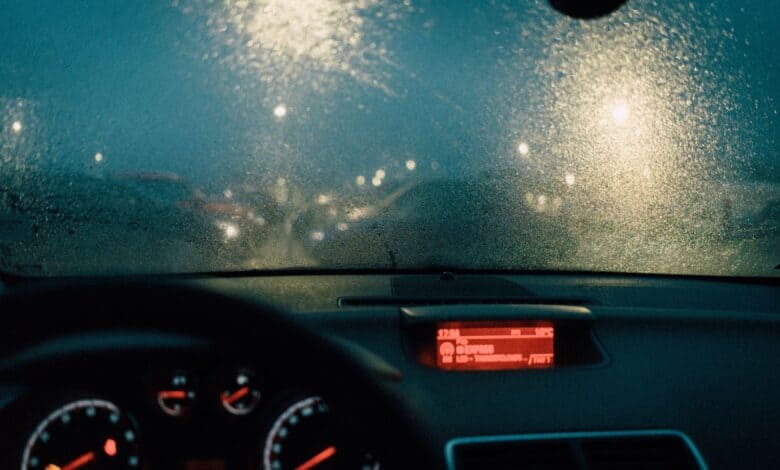
Operating a motor vehicle requires focus under normal conditions, but severe weather introduces hazardous variables that challenge even experienced drivers. Heavy rainstorms, dense fog, winter snowstorms, high winds, and extreme heat transform familiar roadways into high-risk environments. Reduced tire traction, poor visibility, unpredictable vehicle handling, and sudden traffic disruptions contribute significantly to weather-related road accidents each year.
While modern vehicles feature advanced safety technologies like anti-lock brakes, traction control, and electronic stability programs, these systems cannot override the laws of physics. Adapting driving behavior, adjusting speed, maintaining proper vehicle distance, and preparing your car for adverse conditions are essential steps for protecting yourself, your passengers, and fellow motorists when severe weather strikes.
Mastering Driving Techniques in Heavy Rain and Flooding
Rain is one of the most common weather hazards, yet many drivers underestimate its impact on road safety. The initial minutes of a rainfall are particularly dangerous because water mixes with oil residues, dirt, and grease on the pavement, creating a slick surface.
-
Preventing Hydroplaning: Hydroplaning occurs when a layer of water builds up between your vehicle tires and the road surface, causing a total loss of steering and braking control. To reduce this risk, lower your speed significantly below the posted limit, avoid sudden steering inputs, and avoid driving in the deep ruts formed by heavy traffic.
-
Expanding Following Distances: Wet pavement doubles the stopping distance required to bring a vehicle to a complete halt. Increase your trailing distance behind the vehicle ahead from the standard three seconds to at least six seconds to allow sufficient braking buffer.
-
Managing Steering During a Skid: If your vehicle begins to hydroplane or slide, remain calm. Avoid slamming on the brakes or jerking the steering wheel sharply. Ease your foot off the accelerator pedal gradually and steer smoothly in the direction you want the front of the vehicle to go until the tires regain traction.
-
Navigating Standing Water and Floods: Never attempt to drive through flooded roadways or moving water crossing a street. As little as six inches of water can reach the bottom of passenger cars, causing loss of control or engine stalling, while two feet of rushing water can sweep away most vehicles. Turn around and seek an alternate route.
Safe Navigation Through Dense Fog and Low Visibility
Dense fog, heavy smoke, and blowing dust severely impair forward visibility, making it difficult to judge distances, notice stopped traffic, or anticipate road curves.
Drive at a reduced speed that permits you to stop safely within the distance you can see clearly ahead. Turn on your low-beam headlights or specialized fog lights immediately; high-beam headlights reflect off microscopic water droplets in the fog, creating blinding glare that worsens visibility.
Use the white fog line painted along the right shoulder of the road as a visual guide to keep your vehicle centered in your lane. Avoid using the center yellow line, as doing so pulls your focus toward oncoming traffic. If visibility drops to near zero, pull off the roadway entirely, park in a safe location beyond the shoulder, turn off your driving lights, engage your hazard lights, and set your parking brake until conditions improve.
Essential Winter Driving Strategies for Ice and Snow
Snowstorms, freezing rain, and black ice present extreme driving challenges that demand smooth, deliberate vehicle inputs and heighten situational awareness.
Gentle Control and Smooth Execution
On snow and ice, every control input—accelerating, braking, and turning—must be executed with extreme smoothness. Abrupt throttle pressure breaks tire traction instantly, spinning wheels uselessly on slick surfaces. Apply pressure to the gas pedal gradually, turn the steering wheel gently, and brake early using light, progressive pressure to avoid triggering wheel lockup.
Identifying and Handling Black Ice
Black ice is a transparent layer of glaze that forms on road surfaces, making the pavement appear merely wet. It forms frequently on bridges, overpasses, elevated ramps, and shaded road stretches where cold air circulates above and below the road deck. If you drive onto black ice, maintain a steady steering wheel, avoid touching the brake or accelerator, and let the vehicle coast smoothly across the patch until traction returns.
Managing Vehicle Cruise Control in Winter
Never engage cruise control when driving on wet, icy, or snow-covered roads. If your tires lose grip while cruise control is active, the system may automatically increase engine power to maintain speed, sending the vehicle into an uncontrollable skid before you can manually disengage the controls.
Handling High Winds and Dust Storms
Strong lateral wind gusts can push vehicles out of their lanes, overturn high-profile trucks, and blow heavy road debris into active traffic lanes. High winds are common during severe thunderstorms, desert dust storms, and mountain passes.
-
Maintain a Firm Grip on the Wheel: Keep both hands firmly positioned on the steering wheel at all times to counter sudden wind gusts, especially when driving past open fields, crossing elevated bridges, or emerging from forest windbreaks.
-
Give Large Vehicles Extra Clearance: Maintain extra distance when driving near tractor-trailers, buses, campers, and vehicles towing trailers. High winds can sway or push these vehicles across lane lines without warning.
-
Handling Sudden Dust Storms: If caught in a severe dust storm with zero visibility, pull as far off the pavement as safely possible. Turn off all vehicle exterior lights so following drivers do not mistake your parked vehicle for moving traffic and collide with your rear bumper, then set your emergency brake.
Vehicle Preparation and Emergency Readiness
Navigating extreme weather safely begins before you turn the ignition key. Proper vehicle maintenance and carrying essential emergency supplies ensure your automobile can handle severe environmental stress.
Ensure your tires feature adequate tread depth and correct inflation pressures, as cold temperatures cause tire pressure to drop significantly. Replace worn windshield wiper blades that leave streaks, and top off washer fluid with a winter-grade formula that resists freezing. Test your car battery, as extreme cold and hot temperatures reduce battery cranking capacity.
Finally, keep a dedicated emergency kit inside your vehicle. A well-stocked kit should include a flashlight with extra batteries, a portable jump-starter pack, a first-aid kit, non-perishable food items, drinking water, thermal blankets, work gloves, an ice scraper, and traction mats or bag of sand for winter conditions.
Frequently Asked Questions
Is it safe to use hazard lights while driving through heavy rain or fog?
In many states and jurisdictions, driving with hazard lights flashing is illegal unless your vehicle is stopped or moving significantly slower than the flow of traffic in an emergency. Flashing hazard lights can confuse other drivers, who may think your vehicle is stopped in the travel lane. They also override your turn signals, preventing you from indicating lane changes safely. Use low-beam headlights or dedicated fog lights instead.
What should you do if your vehicle becomes stranded in a severe winter blizzard?
If your vehicle becomes stuck in heavy snow, stay inside your car where shelter is guaranteed. Wrap yourself in blankets, run the engine and heater for roughly ten minutes every hour to conserve fuel, and ensure the exhaust pipe remains completely clear of snow banks to prevent deadly carbon monoxide gas from backing up into the cabin. Leave an interior dome light on so rescue crews can spot you at night.
How does high heat impact vehicle safety during summer driving?
Extreme summer heat stresses multiple vehicle systems. High ambient temperatures accelerate tire blowout risks by increasing internal tire pressure and degrading rubber integrity. Heat also overworks engine cooling systems, causing radiator overheating, and degrades battery chemistry rapidly. Always monitor engine temperature gauges and check tire pressures during heatwaves.
Should you pump anti-lock brakes when stopping on slick, icy roads?
No, you should not pump anti-lock brakes. Modern anti-lock braking systems are engineered to prevent wheel lockup automatically by pulsing the brakes rapidly faster than any human can. If your vehicle is equipped with anti-lock brakes, press the brake pedal down firmly and continuously, maintaining pressure while steering smoothly around hazards. Pumping the pedal disables the anti-lock system functionality.
Why do bridges freeze faster than standard asphalt roads?
Bridges and elevated overpasses are exposed to cold air on both their top and bottom surfaces simultaneously. Lacking the insulating thermal mass of the ground underneath standard roadways, elevated bridge decks lose heat rapidly, causing moisture, rain, or snow to freeze into ice much faster than the surrounding road network.
How far ahead should you scan the road when driving in severe weather?
During severe weather, expand your visual scanning horizon to look 15 to 20 seconds ahead of your vehicle. Scanning further down the road provides extra time to spot brake lights, lane closures, standing water, or stalled vehicles early, allowing you to slow down gradually rather than executing sudden, dangerous maneuvers on slick pavement.
What is the safest way to pass a large snowplow on a highway?
The safest strategy is to stay behind the snowplow at a respectful distance. Snowplows create large clouds of blowing snow that obliterate visibility directly behind and beside them, and the road surface behind a plow is always significantly safer than the unplowed road ahead. If you must pass, wait for a clear, straight road section where the plow driver has a clear view of your vehicle, and avoid passing on the right where the plow blade extends.


