Common Auto Parts That Wear Out Faster Than You Think
Modern automobiles are remarkable feats of engineering, composed of roughly thirty thousand individual components working together to get you smoothly from point A to point B. While major assemblies like the engine block, transmission housing, and chassis are built to endure hundreds of thousands of miles, dozens of smaller parts are intentionally designed as wearable components. These items absorb the relentless shock, friction, chemical degradation, and thermal stress of daily driving.
Many vehicle owners assume these wear-and-tear parts will last for years or decades, only to be surprised by sudden mechanical failures or failed state inspections. Understanding which components degrade quickly, recognizing the early signs of deterioration, and replacing them proactively saves money on secondary repairs and keeps your vehicle safe on the road.
The High-Friction and Chemical Degradation Victims
Friction and harsh chemical environments are two of the most aggressive destroyers of automotive components. Parts exposed to continuous kinetic contact or corrosive fluids wear down far faster than structural frame elements.
-
Brake Pads and Rotors: Every time you press the brake pedal, hydraulic pressure clamps soft friction material against a spinning metal rotor. Depending on driving habits, stop-and-go city traffic, and heavy vehicle loads, brake pads can wear out in as little as twenty thousand to forty thousand miles. Delaying pad replacement allows the exposed metal backing plate to score the rotors, turning an inexpensive pad swap into an expensive braking system overhaul.
-
Windshield Wiper Blades: Made of thin natural or synthetic rubber, wiper blades are exposed to extreme environmental conditions year-round. Ultraviolet radiation from sunlight bakes the rubber, while freezing temperatures cause it to crack and split. Road grit, ice, and dried insects tear the delicate edge, reducing visibility. Most wiper blades lose operational efficiency in just six to twelve months.
-
12-Volt Car Batteries: Standard lead-acid and AGM car batteries operate in a harsh environment under the hood, enduring rapid thermal cycling, chemical reactions, and engine vibration. Heat is actually a battery worst enemy, accelerating internal plate corrosion and evaporating electrolyte fluid. While many drivers expect a battery to last five years or more, high summer heat frequently degrades them within three to four years.
Rubber and Synthetic Suspension Components
Vehicle suspension systems work continuously to absorb potholes, road bumps, and cornering forces. Because metal-on-metal connections would create intolerable noise and vibration, manufacturers line suspension joints with rubber and polyurethane bushings.
-
Sway Bar Links and Bushings: Sway bar links connect the anti-roll bar to the suspension struts, keeping the car level through sharp turns. The small ball joints and rubber boots inside sway bar links undergo constant twisting forces. When these boots tear, moisture and dirt enter, causing rapid wear that manifests as a distinct metallic clunking sound over low-speed bumps.
-
Shock Absorbers and Struts: Shocks and struts damp the movement of your springs, keeping the tires firmly planted on the pavement. Internal hydraulic seals deteriorate over tens of thousands of compressions, allowing dampening fluid to leak past internal pistons. Though a car might still drive, worn struts increase braking distances, cause erratic tire wear, and compromise stability in emergency maneuvers after roughly fifty thousand miles.
-
Control Arm Bushings and Ball Joints: Control arms connect the wheel hubs to the vehicle frame, pivoting every time the suspension moves up or down or the steering wheel turns. The rubber bushings inside these arms harden, crack, and tear over time due to road salt, oil leaks, and constant flexing. Worn bushings lead to alignment drift, steering wheel vibration, and uneven tire tread wear.
High-Stress Electrical and Airflow Components
Modern internal combustion engines rely on precise airflow, high-voltage electrical sparks, and clean fuel delivery to maintain efficient performance.
Spark Plugs and Ignition Coils
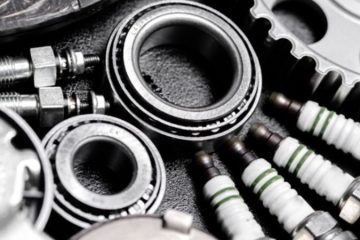
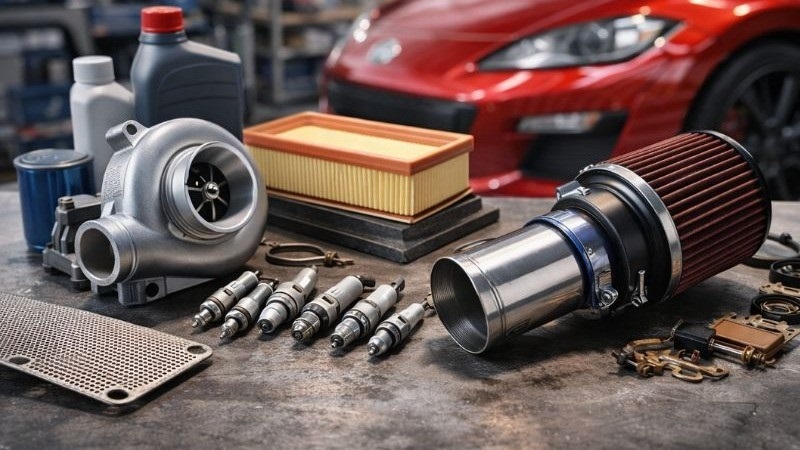
Spark plugs fire millions of times per hour, producing high-voltage electric arcs inside combustion chambers that reach thousands of degrees Fahrenheit. While iridium and platinum spark plugs last longer than older copper plugs, electrical erosion gradually widens the gap between the electrodes. This forces the ignition coils to work harder to bridge the gap, leading to engine misfires, poor fuel economy, rough idling, and premature ignition coil failure.
Cabin and Engine Air Filters
The engine air filter prevents microscopic dust, sand, and debris from entering the intake manifold and scoring cylinder walls. The cabin air filter cleans the air entering through the heating and air conditioning vents. Both filters accumulate thick layers of dirt, leaves, and pollution rapidly. A clogged engine air filter restricts airflow, reducing acceleration performance, while a dirty cabin filter strains the blower motor, causes foul cabin odors, and reduces window defrosting speed.
Drive Belts and Serpentine Belts
The serpentine belt is a continuous rubber belt that spins at high speeds to power the alternator, power steering pump, water pump, and air conditioning compressor. Constantly exposed to engine heat and mechanical tension, the rubber compound cracks, frays, and stretches over time. A snapped serpentine belt immediately stops electrical charging and cooling system circulation, leaving you stranded on the side of the road.
Proactive Habits to Extend Component Lifespan
While wearable auto parts inevitably need replacement, adopting mindful driving habits significantly delays their breakdown:
-
Practice Smooth Braking and Acceleration: Coasting early toward red lights and avoiding sudden, hard braking reduces friction heat on brake pads and preserves suspension bushings.
-
Keep Your Vehicle Clean: Periodically washing the undercarriage removes corrosive road salt, mud, and chemical residues that degrade rubber boots, suspension joints, and brake lines.
-
Perform Regular Visual Inspections: Check tire pressures, inspect belt surfaces for cracking, check battery terminals for corrosion, and monitor fluid levels monthly to catch minor wear before it causes major component failure.
Staying vigilant about these fast-wearing components preserves vehicle reliability, maintains high fuel efficiency, and keeps maintenance costs manageable over the lifespan of your vehicle.
Frequently Asked Questions
Why do headlight bulbs seem to burn out faster on modern vehicles?
Modern halogen and high-intensity discharge headlight bulbs operate at much higher temperatures and light outputs than older designs, which shortens their filament lifespan. Additionally, automated daytime running light systems keep headlights illuminated for significantly more hours per year, and stiff modern suspensions transfer more road vibration to delicate bulb filaments.
How often should fuel filters be replaced on gasoline engines?
Fuel filter replacement intervals depend on whether the filter is located inline along the fuel rail or submerged inside the fuel tank. External inline fuel filters should generally be replaced every twenty thousand to thirty thousand miles to prevent rust, varnish, and sediment from clogging fuel injectors. Submerged tank filters are designed as long-life strainers but should still be inspected if fuel pressure drops.
What causes tires to wear out prematurely on the inner or outer edges?
Premature tire wear on specific edges is usually caused by incorrect wheel alignment angles, such as improper camber or toe settings. Loose or worn suspension components—like tie rod ends, ball joints, or control arm bushings—allow the wheel to tilt or drag sideways while driving, scrubbing off tire tread at a rapid rate.
Can driving through standing water damage undercarriage rubber components?
Yes, driving through deep standing water can accelerate component wear. Water washes away the heavy lubricating grease packed inside unsealed ball joints, tie rod ends, and sway bar links. Furthermore, sudden cold water splashes cause rapid thermal shock to hot brake rotors, potentially causing them to warp and create pedal pulsation.
Why do rubber hoses in the cooling system degrade from the inside out?
Cooling system hoses experience electro-chemical degradation, a natural phenomenon where electric currents traveling through the coolant fluid break down the inner synthetic rubber lining of the hose. While the outside of the hose may look perfectly smooth and firm, the inside can become soft, micro-cracked, and vulnerable to bursting under pressure.
How do I know if my engine motor mounts are failing?
Motor mounts consist of heavy metal brackets filled with rubber or hydraulic fluid to isolate engine vibration from the car frame. When the rubber cracks or the hydraulic fluid leaks out, you will feel excessive engine vibration through the steering wheel and floorboards, especially while idling in gear. You may also hear a distinct clunking sound when shifting between drive and reverse.
Does frequent short-trip driving cause car parts to wear out faster?
Yes, short trips under five miles cause accelerated wear across multiple systems. The engine oil never reaches optimal operating temperature to burn off condensation and unburned fuel, leading to acid buildup. Additionally, the starter motor and battery undergo heavy strain from frequent restarts without sufficient driving time for the alternator to fully recharge the battery.