Used Cars as a Practical Choice for Budget-Conscious Drivers

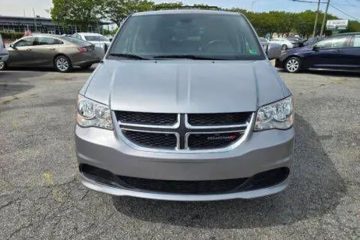
Choosing a reliable vehicle often involves balancing financial limits with everyday mobility needs. Many drivers aim for dependable transport without placing long-term pressure on income. Used cars answer this need by offering sensible ownership options that align with careful spending habits. They allow individuals and families to focus on value rather than price tags, while still meeting daily travel demands.
For buyers who prioritize planning and responsible decisions, used vehicles provide access to quality engineering with reduced financial strain. The market offers many well-maintained options that suit different lifestyles and usage patterns. This approach helps drivers stay in control of expenses while enjoying dependable road performance and ownership confidence.
Financial Advantages of Pre-Owned Vehicles
- Achieving Smart Affordability
Used motors stand out for their potential to deliver strong value whilst preserving ordinary expenses. Drivers often find that their financial savings expand beyond the initial purchase and affect long-term financial balance. Within this context, many buyers explore guidance resources and expert advice, including suggestions shared when they contact Toyota of Boerne, to better understand responsible ownership pathways.
Lower entry pricing allows buyers to allocate funds toward insurance planning, maintenance preparation, and emergency reserves. This balanced approach supports steady budgeting and reduces financial stress during ownership. Used vehicles help drivers achieve transportation goals without compromising other life priorities.
- Strategic Avoidance of Reduced Depreciation
A clear benefit of choosing pre-owned vehicles is the slower value decline after purchase. New purchases often face sharp value drops early, while used options maintain steadier worth.
- Value loss slows after the early ownership period, protecting financial commitment over time.
- Resale potential remains stronger, allowing owners to recover reasonable amounts later.
- Purchase timing avoids the sharp initial decline seen with brand-new models.
- Financial planning becomes easier due to predictable market value movement.
- Ownership confidence improves when assets retain an acceptable market standing.
- Lower Insurance and Ownership Costs
Insurance costs often align with vehicle value, making used cars attractive for budget-focused drivers. Reduced premiums free up funds for other essential needs.
- Insurance premiums remain affordable due to the lower assessed vehicle value.
- Coverage options provide flexibility without demanding excessive monthly spending.
- Ownership risk appears lower, supporting steady insurance planning decisions.
- Savings accumulate yearly, easing overall financial responsibility for drivers.
- Policy selection becomes simpler with predictable valuation standards.
Reliability and Engineering Quality
- Benefits of Reliable Engineering
Modern motors are built with sturdiness in mind, which makes many used alternatives dependable for extended use. Careful inspections and maintenance history critiques help consumers select motors that perform well. Reliability is now not restricted to new purchases, as validated engineering helps long-term usability.
Drivers benefit from established performance records and known maintenance needs. This clarity supports informed decisions and reduces unexpected ownership challenges. Used cars often represent tested solutions rather than uncertain experiments.
- Proactive Maintenance Planning
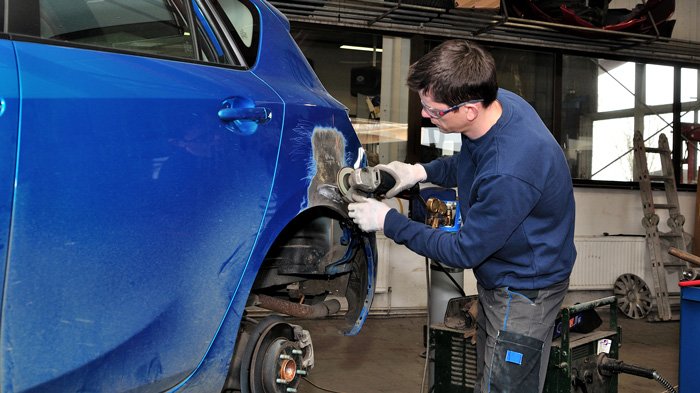
Proper upkeep plays a vital role in maximizing the value of used vehicles. With realistic planning, maintenance remains manageable and predictable.
- Service schedules are often known, helping owners prepare budgets confidently.
- Replacement parts remain accessible, reducing downtime during repairs.
- Maintenance history guides informed decisions before purchase commitment.
- Routine care supports consistent performance throughout the ownership period.
- Long-term planning becomes easier with transparent service expectations.
Personalized Choice and Long-Term Value
- Flexible Choices for Every Lifestyle
The used vehicle market offers a wide variety, allowing drivers to select features that match personal needs rather than trends. Buyers can prioritize safety, efficiency, or interior space based on real requirements. This flexibility ensures satisfaction without unnecessary expenses.
Options across different years and specifications help drivers find suitable matches. Rather than paying for unused features, buyers focus on practical benefits that enhance daily use.
- Maintaining Strong Financial Control
Used cars empower drivers to maintain stronger control over monthly and yearly expenses. Without large payments, individuals experience greater flexibility in financial planning. This approach supports savings growth and reduces pressure from high obligations.
Ownership turns into a supportive detail of daily life in preference to a burden. Budget-aware drivers respect the liberty to manage prices without sacrificing mobility.
Conclusion: Securing Long-Term Value
When chosen thoughtfully, used vehicles deliver dependable service over extended periods. Their value lies not only in price but in practical benefits that align with real-world needs. Buyers who seek advice, compare options, and even contact Toyota of Boerne during their research often gain clarity and confidence in their decisions.
Used cars represent balanced ownership that respects financial limits while meeting transportation demands. This thoughtful approach helps drivers achieve stability, reliability, and sensible progress without unnecessary strain.