The Most Frequently Replaced Auto Parts and Why They Matter
Modern vehicles are complex mechanical ecosystems comprising thousands of interconnected components. While major structural assemblies like the engine block, transmission casing, and frame are engineered to last the full lifecycle of the vehicle, dozens of smaller components are designed as consumable maintenance items. These parts absorb continuous friction, extreme heat, chemical breakdown, and structural stress to protect more expensive mechanical assemblies.
Ignoring routine wear-and-tear items leads to compounding mechanical failures, compromised safety, higher fuel consumption, and costly repair bills. Understanding which auto parts require frequent replacement, why they degrade, and how their health impacts overall vehicle performance allows drivers to manage maintenance proactively.
Friction and Stopping Power: The Braking System
Few systems on a vehicle are subject to as much continuous stress as the braking system. Every time a driver steps on the brake pedal, hydraulic fluid forces high-friction material against spinning metal rotors, converting kinetic energy into intense thermal energy.
-
Brake Pads: Brake pads feature a sacrificial friction layer bonded to a heavy steel backing plate. Over thousands of miles of city stop-and-go driving, this friction material steadily wears away. Replacing worn pads promptly prevents the exposed metal backing plate from gouging the brake rotors, preserving stopping power and avoiding expensive system overhauls.
-
Brake Rotors: While metal brake rotors last longer than soft brake pads, the intense heat generated during stopping causes thermal expansion, metal fatigue, and eventual thinning. Rotors can warp, develop deep heat cracks, or drop below minimum thickness thresholds. Fresh rotors provide a flat, smooth friction surface essential for predictable emergency braking.
-
Brake Fluid: Brake fluid is hygroscopic, meaning it actively absorbs moisture from the surrounding atmosphere over time. Water contamination lowers the boiling point of the fluid, creating air bubbles under heavy braking that cause a spongy brake pedal and reduced stopping efficiency. Replacing brake fluid every two to three years prevents internal corrosion in the master cylinder and anti-lock braking system valves.
The Electrical Spark: Battery, Plugs, and Filtration
An internal combustion engine requires precise airflow, clean fuel delivery, and high-voltage electrical energy to generate power efficiently.
The 12-Volt Car Battery
The car battery powers the starter motor, fuels the ignition system, and stabilizes voltage for sensitive onboard electronics. Operating in a harsh under-hood environment, lead-acid and AGM batteries suffer from constant thermal cycling, internal plate sulfation, and vibration. High summer ambient temperatures accelerate chemical breakdown, causing most batteries to lose charging capacity after three to five years. Replacing an aging battery prevents sudden stranding and protects the alternator from electrical overload.
Spark Plugs
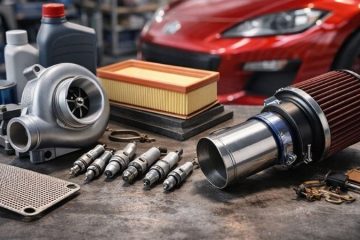
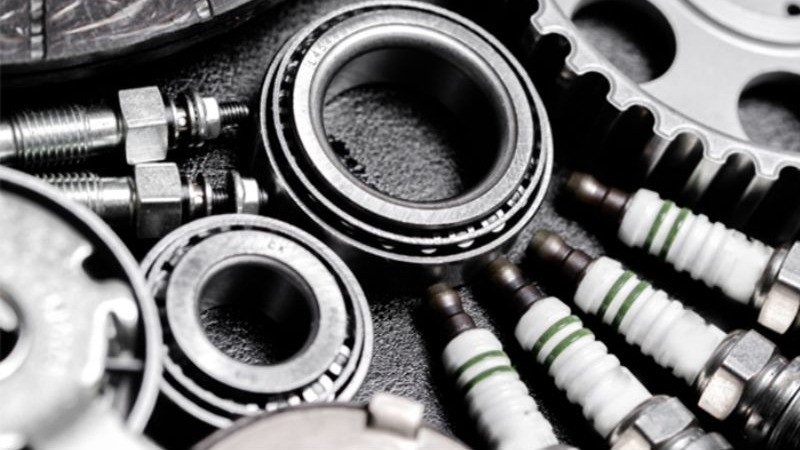
Spark plugs produce the electrical arc required to ignite the air-fuel mixture inside the engine combustion chambers. Operating under thousands of pounds of pressure and intense heat, the metallic electrodes on spark plugs slowly erode, widening the gap the spark must jump. A widened gap forces ignition coils to draw excessive current, causing engine misfires, rough idling, sluggish acceleration, and unburned fuel entering the catalytic converter.
Engine and Cabin Air Filters
The engine air filter acts as the primary lung of the vehicle, trapping microscopic dust, sand, pollen, and debris before air enters the intake manifold. A clogged air filter restricts intake airflow, disrupting the air-fuel ratio and reducing throttle response. Simultaneously, the cabin air filter purifies the air entering the interior climate control system. A dirty cabin filter reduces heating and cooling airflow, strains the blower motor, and causes moldy cabin odors.
Rubber and Fluid Sealing: Belts, Hoses, and Wipers
Rubber components provide flexibility, fluid containment, and mechanical grip throughout a vehicle. However, natural and synthetic rubber compounds degrade continuously when exposed to ozone, heat, engine oil, and road salt.
-
Serpentine Belts: The serpentine belt is a heavy-duty continuous rubber belt driven by the crankshaft pulley. It spins the alternator, water pump, power steering pump, and air conditioning compressor. Over time, the rubber compound dries out, develops micro-cracks, and loses rib depth. A snapped serpentine belt immediately cuts off electrical charging and cooling circulation, leaving the vehicle stranded.
-
Cooling System Hoses: Radiator and heater core hoses transport high-temperature coolant under pressure between the engine and radiator. Heat causes the synthetic inner liner of the hose to soften, swell, or crack. An old hose can burst without warning, causing rapid coolant loss that leads to severe engine overheating and warped cylinder heads.
-
Windshield Wiper Blades: Made from soft synthetic rubber or silicone, wiper blades operate in harsh outdoor conditions. Sunlight breaks down the flexible edge, while road grit, frost, and ice tear the wiping lip. Most wiper blades lose operational efficiency within six to twelve months, leading to streaking, chattering, and reduced visibility during heavy rainfall.
Suspension and Steering: Bushings, Shocks, and Tires
The suspension system maintains tire contact with the road while isolating passengers from harsh road impacts. Suspension components absorb millions of impacts over their service life.
-
Tires: Tires are the only contact point between your vehicle and the road surface. Friction slowly wears away the rubber tread blocks, reducing water evacuation channels and compromise cornering traction. Driving on worn or unevenly degraded tires increases braking distances dramatically and raises the risk of hydroplaning during wet weather.
-
Shock Absorbers and Struts: Shocks and struts use internal hydraulic fluid and pressurized nitrogen gas to damp spring oscillations. Over tens of thousands of road impacts, internal hydraulic seals wear down, allowing fluid to leak past internal pistons. Worn shocks cause excessive body roll, nose-diving during braking, and erratic tire tread wear.
-
Sway Bar Links and Ball Joints: Ball joints and sway bar links feature small steel ball studs encased in greased rubber boots. When the protective rubber boot tears, road dirt washes away the grease and grinds down the metal joint. This causes steering wheel looseness, alignment drift, and distinct metallic clunking sounds over low-speed bumps.
Adhering to factory service intervals for these high-wear items ensures maximum vehicle reliability, protects major mechanical systems from secondary damage, and maintains overall driving safety.
Frequently Asked Questions
Why do brake pads on the front wheels wear out faster than those on the rear wheels?
When you apply the brakes, vehicle weight shifts forward onto the front axle due to momentum. As a result, the front braking system performs roughly sixty to seventy percent of the total stopping work, causing front brake pads and rotors to wear down at a significantly faster rate than rear braking components.
How can a driver tell if a serpentine belt needs replacement before it snaps?
Inspect the underside of the serpentine belt using a flashlight. Look for deep cracks across the rubber ribs, fraying along the outer fabric edges, shiny glazed surfaces, or oil contamination. Additionally, a squealing noise coming from the engine bay during startup or sharp turns indicates belt slippage or loss of tension.
What happens if an engine air filter is never replaced?
A severely clogged engine air filter starves the engine of required oxygen. Modern engine control units compensate by reducing fuel delivery, which results in noticeable power loss, poor acceleration, and diminished fuel efficiency. In extreme cases, a filthy filter can tear, allowing abrasive dirt directly into the cylinders where it scores cylinder walls and piston rings.
Is it necessary to replace shock absorbers in pairs?
Yes, shock absorbers and struts should always be replaced in pairs across the same axle. Installing a single new shock creates an imbalance in dampening rates between the left and right sides of the vehicle, which can cause unpredictable handling, uneven tire wear, and unstable emergency braking response.
How does driving with an old battery affect the vehicle alternator?
An old or failing battery loses its ability to hold a charge, forcing the alternator to run continuously at maximum electrical output to power vehicle systems and attempt to recharge the battery. Overworking the alternator in this manner generates excessive internal heat that can burn out its diodes and voltage regulator prematurely.
Why do tires wear out unevenly across the tread surface?
Uneven tire wear is typically caused by improper inflation pressure, lack of regular tire rotations, or misaligned wheel angles. Underinflated tires wear down along the outer shoulders, overinflated tires wear out along the center tread, and incorrect camber or toe alignment settings scrub off the inner or outer tire edge.
How often should oxygen sensors be replaced on high-mileage vehicles?
Oxygen sensors are exposed to harsh exhaust gases and operate at temperatures exceeding one thousand degrees Fahrenheit. Over time, soot and chemical deposits coat the sensor element, slowing its response time. Most manufacturers recommend replacing conventional oxygen sensors every sixty thousand to ninety thousand miles to maintain optimal fuel economy and protect the catalytic converter.