How to Improve Your Vehicle’s Performance and Fuel Efficiency
Rising fuel costs and the desire for optimal engine power make vehicle efficiency a primary priority for car owners. Many drivers believe that boosting engine performance and lowering fuel consumption are opposing goals. In reality, a well-maintained vehicle operates at peak thermal and mechanical efficiency, delivering both sharp engine response and maximum miles per gallon.
Improving your vehicle’s capabilities does not require expensive aftermarket modifications or specialized racing equipment. By applying strategic maintenance habits, optimizing airflow and ignition systems, adopting efficient driving techniques, and reducing unnecessary mechanical drag, you can restore lost horsepower while cutting your annual fuel expenditures.
Optimizing the Engine Airflow and Fuel Delivery Systems
An internal combustion engine operates as a large air pump. To generate efficient power, the engine requires a precise mixture of clean air and atomized fuel burned inside the combustion chambers. Restricting airflow or compromising fuel spray patterns degrades throttle response and wastes fuel.
-
Replace Clogged Air Filters: The engine air filter prevents dirt, sand, and atmospheric debris from entering the intake manifold. Over time, accumulated dust restricts incoming airflow, forcing the engine control module to adjust fuel delivery parameters to compensate. Installing a clean, high-flowing air filter ensures the engine draws in unrestricted oxygen, improving acceleration and fuel burning efficiency.
-
Clean the Throttle Body and Mass Air Flow Sensor: Microscopic carbon deposits collect on the throttle body butterfly valve, while delicate sensors like the Mass Air Flow sensor accumulate airborne grime. Dirty sensors send inaccurate air mass data to the engine computer, resulting in rich fuel mixtures and sluggish throttle response. Cleaning these components with specialized aerosol sprays restores crisp engine feedback.
-
Maintain Fuel Injectors: Over thousands of miles, varnish and fuel residues form small deposits on the tips of fuel injectors. Clogged nozzles produce a coarse, uneven fuel stream rather than a fine, atomized mist. Coarse droplets burn incompletely, wasting gas and reducing power output. Using a dedicated fuel system cleaner in the gas tank periodically helps clear these deposits and restores proper fuel atomization.
Maximizing Ignition Efficiency and Internal Lubrication
Prompt ignition and smooth internal engine rotation ensure that every drop of fuel converts into maximum rotational energy with minimal mechanical energy losses.
Replacing Worn Spark Plugs and Ignition Coils
Spark plugs generate the high-voltage electric arc that ignites the compressed air-fuel mixture. As metallic electrodes erode over time, the gap between them widens, requiring higher electrical voltage to produce a spark. A weak spark leads to incomplete combustion, misfires, and unburned fuel escaping through the exhaust. Installing fresh iridium or platinum spark plugs restores ignition timing precision and maximizes power extraction from every combustion cycle.
Utilizing High-Quality Fully Synthetic Motor Oils
Internal friction among pistons, crankshaft bearings, and valvetrain components absorbs significant engine power. Conventional motor oils break down quickly under high heat, increasing fluid shear friction. Upgrading to high-grade synthetic motor oils formulated with the exact viscosity recommended by your manufacturer reduces internal drag significantly. Synthetic lubricants maintain fluid stability across extreme temperatures, allowing internal components to glide effortlessly and reducing engine parasitic loss.
Reducing Mechanical Drag: Tires and Suspension
Not all power loss occurs inside the engine bay; a significant portion of energy vanishes between the transmission output shaft and the road surface due to mechanical resistance and rolling friction.
-
Maintain Correct Tire Inflation Pressures: Driving on underinflated tires increases their contact patch and flexes the sidewalls excessively, creating substantial rolling resistance. This forces the engine to burn additional fuel just to keep the vehicle moving at constant speed. Checking tire pressures monthly and inflating them to the exact PSI specified on the driver side door pillar reduces rolling drag and extends tread life.
-
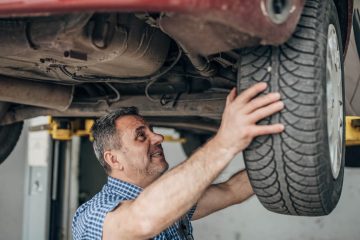
Ensure Proper Wheel Alignment: Misaligned wheels cause tires to drag sideways across the pavement rather than rolling straight forward. This scrubbing effect acts like a constant, subtle drag brake on your vehicle, consuming power and causing rapid, irregular tread wear. Setting proper toe and camber alignment angles allows the vehicle to glide smoothly with minimal rolling effort.
-
Select Low Rolling Resistance Tires: When replacing old tires, select models specifically engineered with advanced rubber compounds and tread patterns designed to minimize rolling friction without sacrificing wet weather stopping traction.
Modifying Driving Habits for Peak Efficiency
How you operate the throttle and brake pedals plays an enormous role in determining actual fuel economy and long-term vehicle health. Gentle driving habits preserve kinetic energy and reduce mechanical strain.
-
Practice Smooth Accelerator Inputs: Stomping on the accelerator pedal floods the engine with excess fuel to meet sudden demand. Accelerating smoothly and gradually allows the engine control unit to maintain an optimal air-fuel ratio, reducing waste while smoothly getting the vehicle up to cruising speed.
-
Anticipate Traffic and Maintain Momentum: Every time you press the brake pedal, you convert kinetic energy built by burning fuel into wasted heat. Looking ahead in traffic allows you to lift off the gas early, coast toward slowing traffic, and avoid complete stops whenever possible. Preserving momentum requires significantly less energy to resume cruising speed.
-
Utilize Cruise Control on Open Highways: Human foot pressure on the gas pedal fluctuates constantly, causing minor speed variations that waste fuel. Engaging automated cruise control on flat, open highway stretches maintains a constant throttle position, optimizing high-speed efficiency.
Lightening Vehicle Load and Aerodynamic Drag
Carrying extra weight or disrupting aerodynamic body lines forces the engine to push against unnecessary resistance, especially at highway speeds.
Remove unnecessary cargo, heavy tools, and unused items from the trunk or cargo area. Every extra hundred pounds of dead weight reduces fuel efficiency by up to one to two percent. Additionally, remove unused roof racks, cargo boxes, and bicycle carriers when they are not in use. Roof attachments disrupt aerodynamic airflow, creating drag that penalizes highway fuel economy significantly.
Keeping your vehicle light, aerodynamic, clean, and mechanically tuned ensures that every gallon of fuel delivers maximum performance, efficiency, and driving satisfaction.
Frequently Asked Questions
Does using premium high-octane gasoline improve performance and fuel efficiency in any car?
Using premium high-octane fuel only improves performance and fuel efficiency if your vehicle engine is specifically designed or calibrated for it. High-octane fuel resists premature detonation in high-compression or turbocharged engines, allowing them to advance spark timing safely. In a standard engine calibrated for regular 87-octane gas, premium fuel provides no additional power or mileage benefits.
Can aftermarket cold air intakes really increase horsepower and gas mileage?
A high-quality aftermarket cold air intake can modestly improve throttle response and high-RPM power by reducing intake air restriction and drawing in denser, cooler air from outside the engine bay. However, fuel economy gains are usually negligible, as the engine control module automatically adjusts fuel delivery to match the increased volume of incoming air.
How much fuel does running the vehicle air conditioning system actually consume?
Running the air conditioner engages an engine-driven compressor that draws power directly from the crankshaft, reducing fuel economy by roughly three to ten percent depending on ambient temperature and cabin size. At low speeds, opening windows is more efficient, but at high highway speeds, closed windows with the air conditioner running is often more aerodynamic than open windows.
What is the ideal speed range for achieving the highest fuel efficiency on the highway?
Most passenger vehicles achieve peak fuel efficiency at steady speeds between 45 and 60 miles per hour. Above 60 miles per hour, aerodynamic drag increases exponentially, requiring significantly more engine power to push through the air and causing fuel economy to drop rapidly for every additional five miles per hour.
How often should fuel injectors be professionally cleaned or flushed?
Fuel injectors generally benefit from a thorough cleaning every 30,000 to 45,000 miles. While adding a quality fuel additive to your gas tank periodically prevents light varnish buildup, high-mileage vehicles with severe deposits may require a professional shop flush or off-car ultrasonic cleaning to fully restore factory spray patterns.
Does turning off the engine at short red lights save more gas than idling?
Yes, modern fuel-injected engines use a negligible amount of fuel to restart compared to idling. If you expect to remain stopped for more than ten to fifteen seconds, switching off the engine or utilizing an automated stop-start system saves fuel, reduces emissions, and decreases thermal buildup in the engine bay.
Can an exhaust system upgrade improve fuel economy alongside engine sound?
Upgrading to a free-flowing cat-back exhaust system reduces exhaust backpressure, allowing the engine to pump out burned exhaust gases with less effort. This reduction in pumping loss can slightly improve horsepower and efficiency, provided the driver maintains smooth driving habits rather than accelerating aggressively to hear the new exhaust tone.